





In today’s fast-paced world of healthcare, training is more than just an obligation; it is a valuable asset. It impacts the way doctors, nurses, and healthcare staff give care, the way they respond in life-or-death moments, and ultimately, the experience of patients with their care.
But an important question comes to mind: How do we know if this training is actually making a difference? Are these training sessions actually improving skills, enhancing patient care, and enabling hospitals to run efficiently? Training is an investment, not in human capital, but in human life. And, as with any investment, it has to pay off. Assessing its worth isn’t about checking boxes on completion certificates; it’s about whether it translates into actual, sustainable improvements where they are most urgently needed—in hospitals, clinics, and patient outcomes.

Why Training Matters in Healthcare
Picture a nurse running a high-pressure emergency department without recent refresher training in new procedures. Or a physician with no idea about the most recent advances in electronic health records. In a profession where each choice impacts real individuals, information isn’t simply power—it’s safety, productivity, and improved patient care.
The issue? Healthcare is constantly changing. New technology is developed, best practices evolve, and regulations change. Without ongoing education, even the brightest professionals can get left behind. But training can’t be required for the sake of being required—it must have an impact. If it doesn’t result in actual changes in performance in the real world, it is just another required session that employees go through, not adopt.
The 4-Tier Kirkpatrick Evaluation Model for Healthcare
Direct reduction in medication transcription errors, faster discharge summary turnaround, and audited compliance scores.
Consistent, daily adherence to new electronic care pathways and charting workflows observed by ward sisters.
Scenario-based test scores, sandbox completion rates, and speed-to-competency in training environments.
Immediate user sentiment, relevance rating, and clarity feedback gathered via post-session surveys.
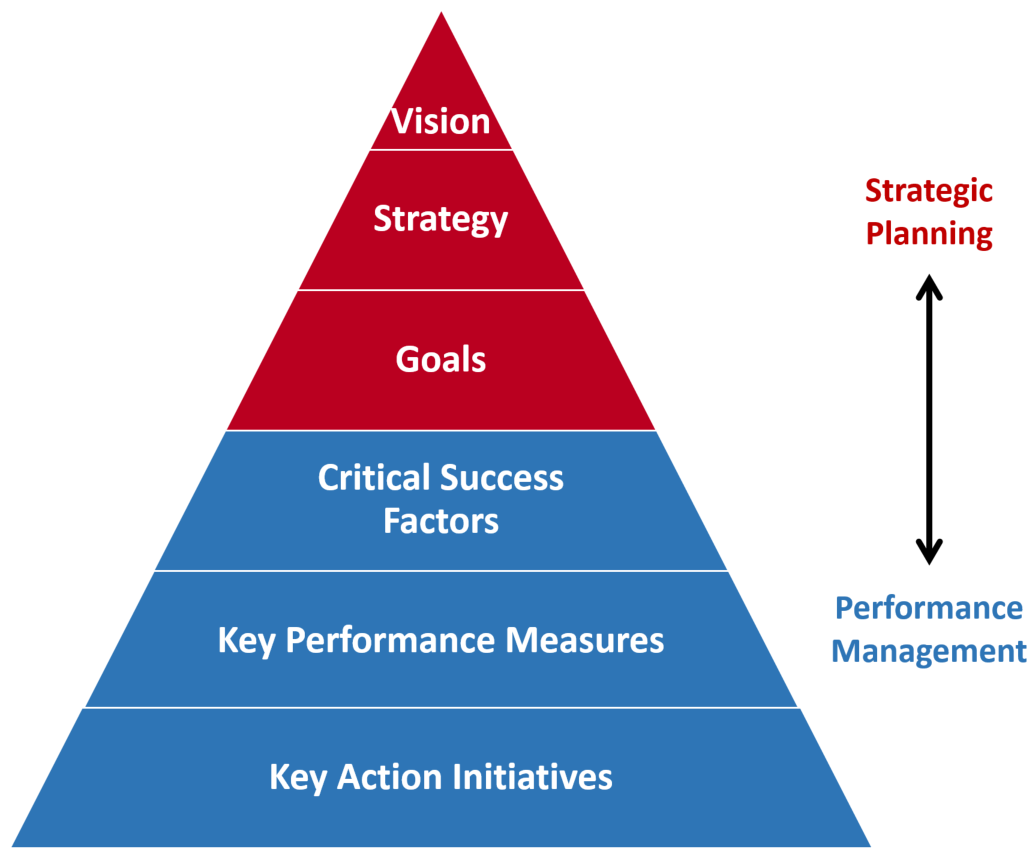
Setting Clear Training Goals: Defining 'Better'
Until we can quantify it, we need to define it. What does ‘better’ consist of? Are we trying to reduce patient waiting times? Enhance team communication? Reduce medical errors? Without objectives, training results are a shot in the dark.
For example, if a hospital implements a new computerised record system, a primary goal could be to minimise errors in documentation and maximise patient information accessibility. Having clearly defined and measurable goals, institutions can ascertain if training is indeed driving progress.
Beyond Surveys: Evaluating Everyday Practice
A single training session is not a promise of change. The true test? Observing whether knowledge becomes action. Pre- and post-training surveys can provide some insight, but the true test of effectiveness lies in everyday practice.
Are the employees applying the learning they have received? Are they seeing a decrease in mistakes? Is their confidence in performing procedures improving? Observing process activity, listening to manager feedback, and monitoring key performance indicators (KPIs) can help set the true impact of training.
| Clinical Performance Metric | Pre-Training Baseline | Target After Training | Clinical Impact |
|---|---|---|---|
| EPR Admission Charting Time | 18.4 mins / patient | 7.2 mins / patient | Over 2.5 hours returned to direct clinical care daily |
| Clinical Prescribing Transcription Errors | 4.8% error rate | < 0.3% error rate | Substantial reduction in adverse drug events (ADEs) |
| Discharge Summary Completion (<24 hrs) | 61% on-time | 96.4% on-time | Faster bed turnaround and smooth GP handover |
| Ward Incident Helpdesk Escalations | 142 tickets / week | 18 tickets / week | Floorwalking and LMS micro-modules resolved ward blockers |
Actionable Recommendations for Healthcare Leaders
- Align Programmes with Organisational Outcomes: Make certain that all training exercises have definite, measurable indicators of success tied directly to Trust priorities.
- Incorporate Follow-Up Mechanisms: Include post-training observation, real-time feedback loops, and peer mentoring to solidify know-how.
- Engage Frontline Staff in Design: Collaborate with nurses, clinicians, and administrative coordinators to co-design training material for maximum relevance.
- Leverage Modern Analytics Dashboards: Use learning management system data to quantify progress, spot knowledge gaps, and enhance programmes continuously.
Benchmark Your Healthcare Training ROI
Nexus Nova designs bespoke measurement frameworks, LMS analytics, and training programmes that yield verifiable improvements in clinical efficiency and safety.